In The Business Standard Meet the team behind Marvella ↗
The Wider CollectiveStart a project

Positioning and brand strategy consulting

Decide who to speak to first, why they should choose you, and what you can show them that makes the promise believable.

6monthsBakkah HoldingsAll the flats were sold within six months of the brand launch.

What would they choose instead?

  1. Buy from a developer with finished buildings
  2. Buy a plot and wait
  3. Put it in savings certificates
  4. Keep the money abroad
  5. Choose Bakkah

Bakkah Holdings, a Jolshiri developer founded in 2023. The rest of this page shows how it earned that last choice.

01

Is this for you?

02

Results from real clients

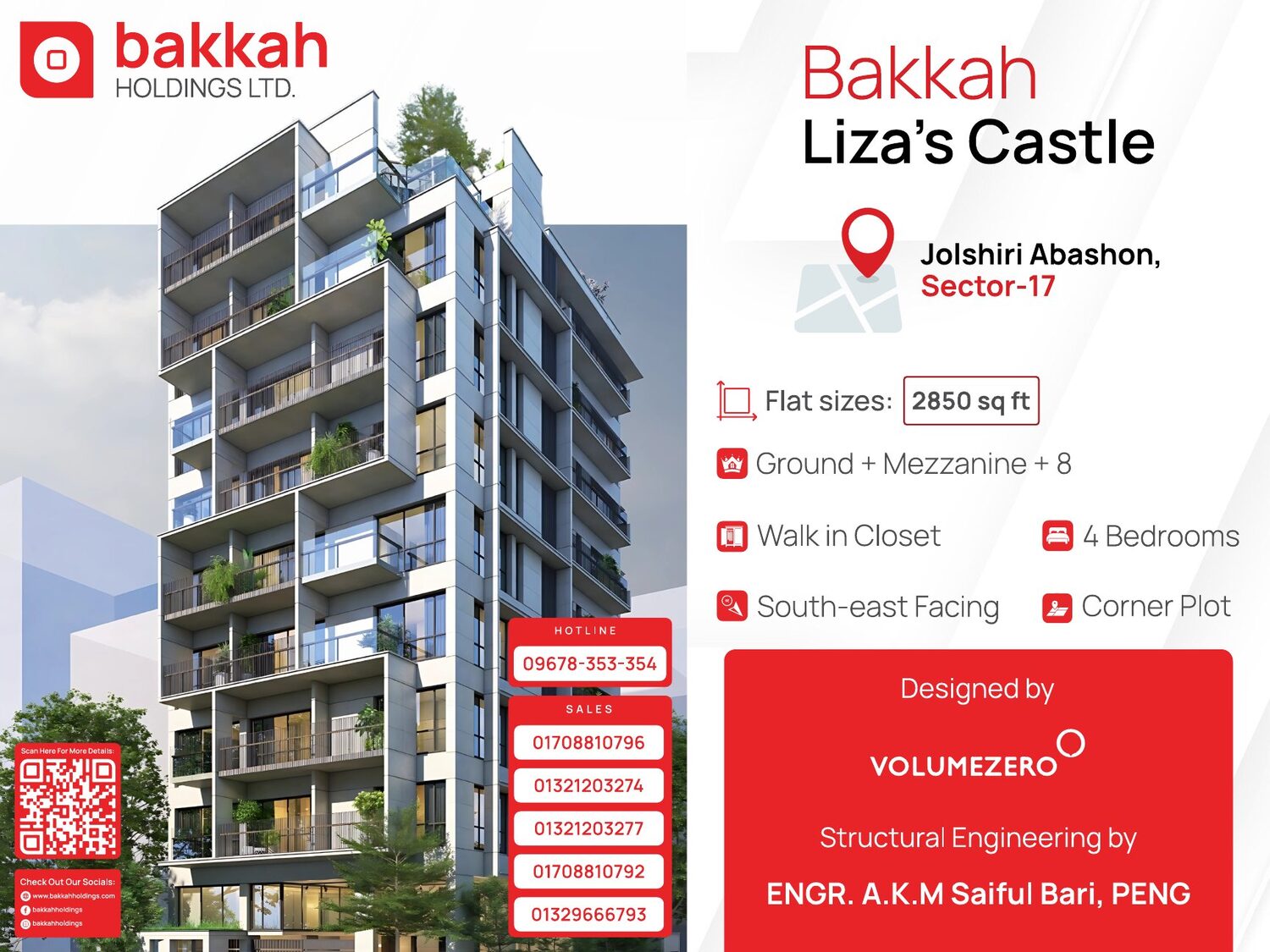
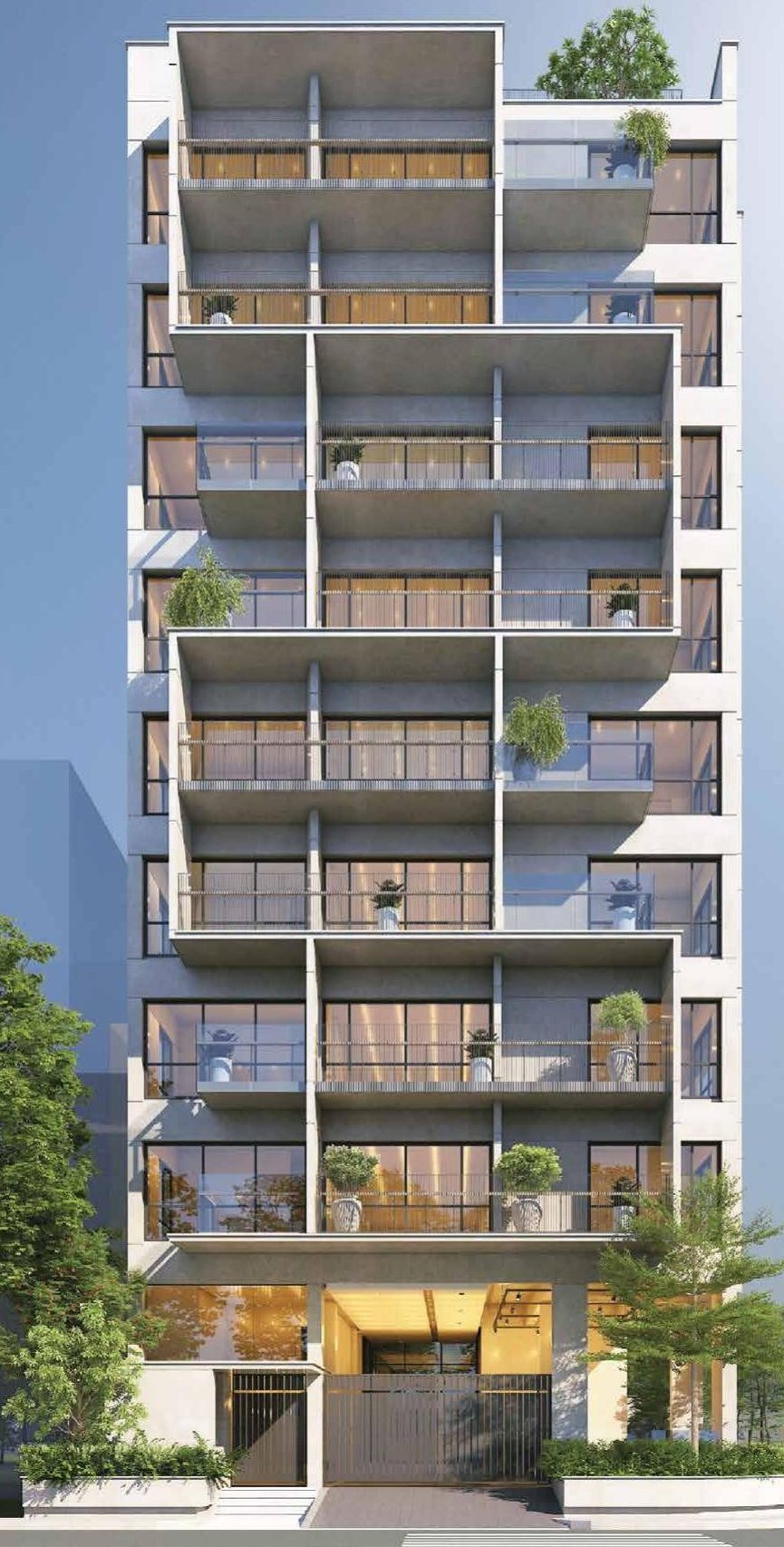
Bakkah Liza’s Castle render
Bakkah Holdings

A new developer buyers could trust

Bakkah Holdings was founded in 2023, with its first Jolshiri buildings still under construction. TWC’s strategy decided whom to sell to first, what to promise, and how to prove it. The worked example below is that strategy.

Result100%All the flats were sold within six months of the brand launch.

The position on this page carried into every step from first contact to contract:

  1. Social ad
  2. Enquiry form
  3. Sales follow-up
  4. In-person presentation with pricing options
  5. Follow-up
  6. Site visit
  7. Signed contract
Opens with the buyer’s motiveAnswers the trust question
Explore the Bakkah Holdings case study
Apex Holdings

Putting the proof on camera

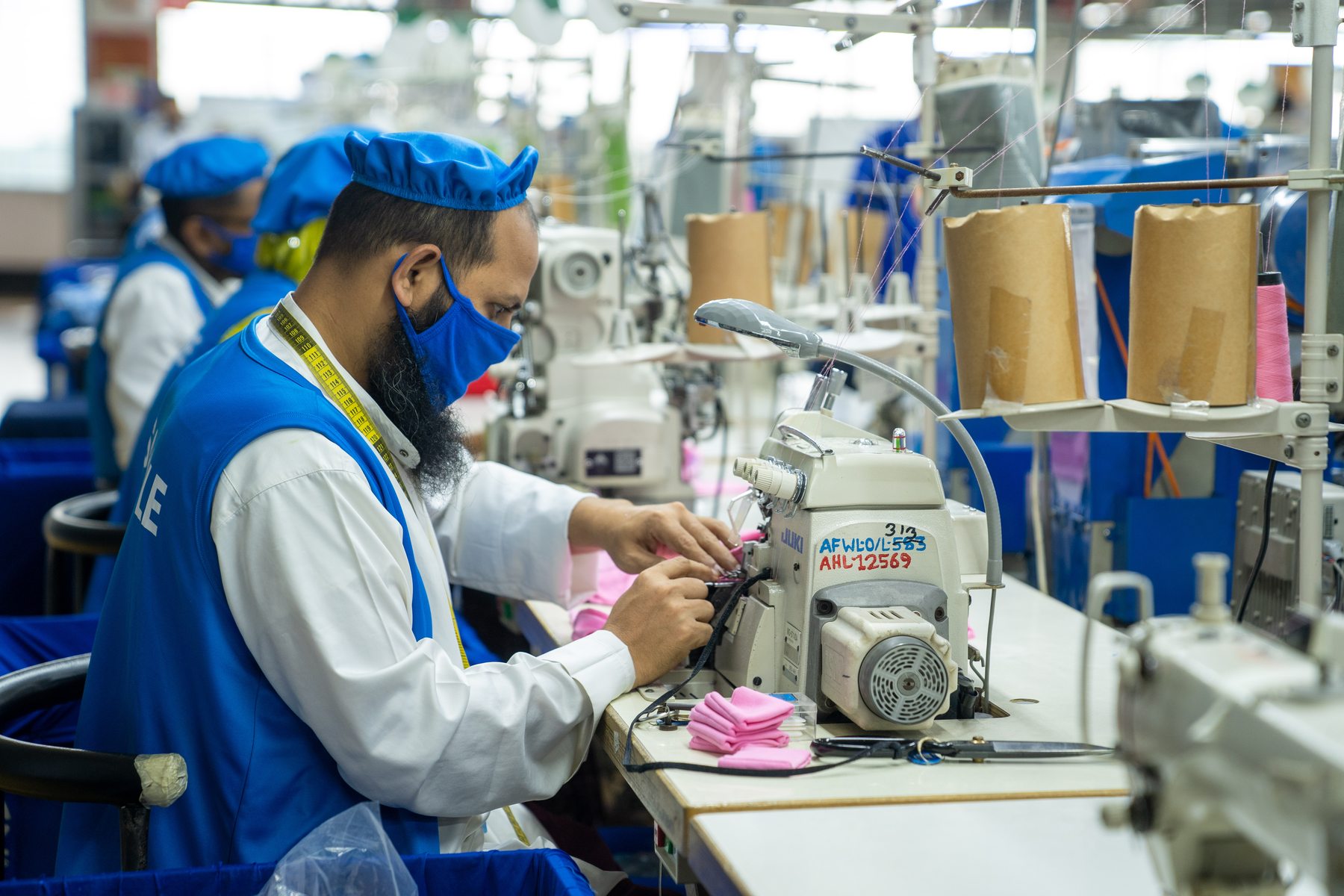
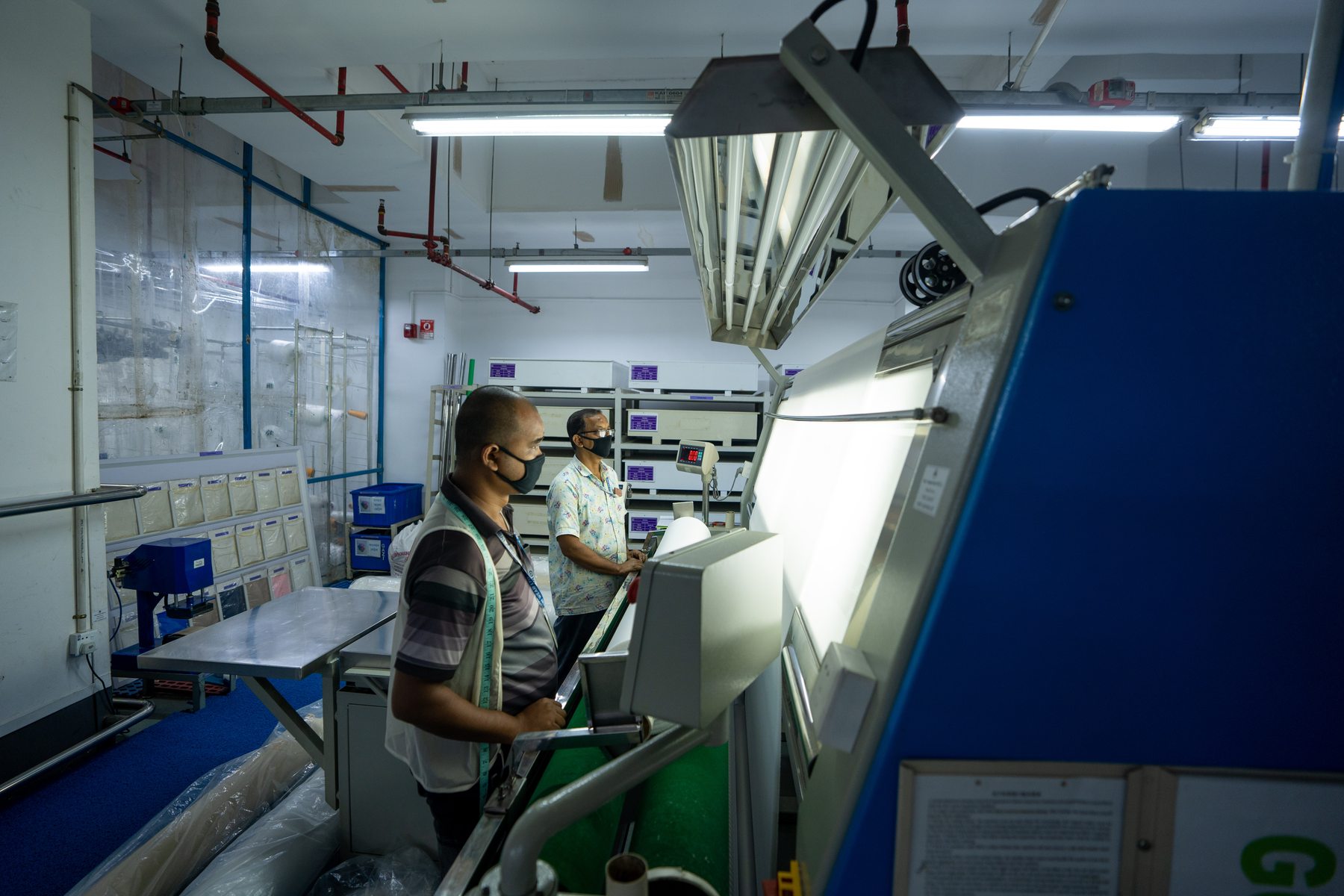
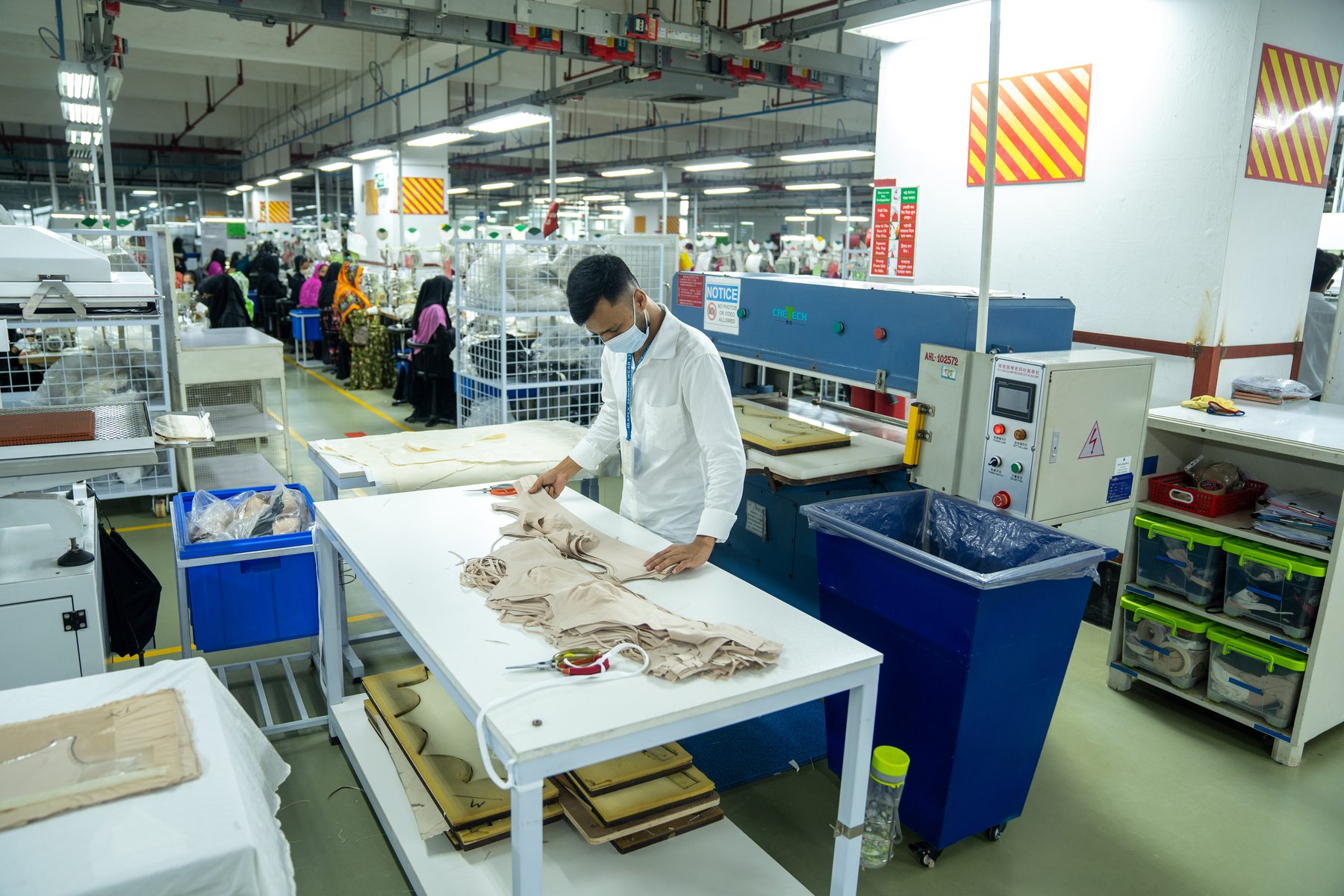
An apparel buyer can inspect a finished garment. The fabric alone won’t tell them who developed the sample, knitted the material, or produced the elastic. Yet those capabilities are central to Apex’s promise as a vertically integrated manufacturing partner.

Our film took buyers into the operation: the equipment, the technicians, and the processes behind the finished garment. That gave the sales team something concrete to show when a buyer asked what vertically integrated meant for their next order.

Explore the Apex Holdings case study
The promiseVertically integrated manufacturing partner
The proof, on camera
CuttingSewingInspection
03

Your real competitor may not be in your category

Ask what a buyer would choose if your offer disappeared tomorrow. Their answer tells you more about your position than a list of companies in your category.

Bakkah Holdings was incorporated in 2023 to build flats in Jolshiri Abashon. Its brief named other Jolshiri developers as the competition. A senior professional with savings to place was weighing something else: whether to trust a new developer at all, when a plot or savings certificates felt safer.

Bakkah Holdings

The brief listed JCX, Fortress Development, and Edison: developers selling flats in the same planned town.

Bakkah Holdings“Which Jolshiri building has the best features?”“Will a developer founded in 2023 finish this building and hand it over?”

Every piece of Bakkah’s sales material was built to answer that second question.

04

Four steps, with a review at each

  1. Step 1

    Understand the customer’s need

    We start with a recent buying decision. What set it in motion? Who first noticed the problem? Who approved the spend? Sales conversations, customer enquiries, and the reasons behind a lost pitch help us distinguish the person who feels the problem from the person who can authorise a change.

    What you review

    A short account of the buying decision, the people involved, and the questions we still need answered.

  2. Step 2

    Map the competing offers

    We look at the alternatives a buyer would seriously consider, including keeping things as they are. We compare what each option costs in money, time, effort, and risk. For Bakkah, a plot had an advantage a new developer had to reckon with: the buyer owns it the day the money changes hands, with no handover to wait for.

    What you review

    A comparison of the credible alternatives, why a buyer might favour each one, and where your offer has an advantage worth investigating.

  3. Step 3

    Check the claims

    We take the language in your pitch and ask what evidence sits behind it. If you promise flexible payment, are the terms written down? If you promise a handover date, what will the buyer see along the way? We look for a record, a demonstration, a piece of work, or a customer reference that your team can put in front of a buyer.

    What you review

    A claim-by-claim assessment showing what you can say now, what needs evidence, and what to drop.

  4. Step 4

    Choose the position

    Together, we settle three decisions: the buyer to address first, the promise that matters most to them, and the proof to put beside it. Then we write the opening of a real sales conversation using those choices. This is often where a team discovers whether the language feels natural enough to use.

    What you approve

    The audience priority, positioning statement, and message hierarchy that will guide the brief.

05

Test a claim before a buyer does

Bakkah Holdings

These are real lines from Bakkah’s first-draft brief and its final sales deck. Make your call on each one, then see ours.

“0% interest, 10% down payment, 36 instalments.”
“Handover in 2027.”
“Professional management guarantees high returns and hassle-free ownership.”
“Affordable luxury is within your reach.”
06

What Bakkah’s team took into every sale

Bakkah Holdings From TWC’s strategy work for Bakkah Holdings.

01

Audience priorities

Whom to address first, and why.

  1. 1

    Senior corporate executives and professionals

    Savings to put to work and the means to buy. Lead with the space and the people behind the building.

  2. 2

    Overseas Bangladeshis

    Buying from abroad, with the most to lose from a late handover. Lead with the sponsors, the named architect and engineer, and construction updates.

  3. 3

    Experienced investors

    Weighing property against other places for their money. Lead with the payment plan and the 2027 handover.

Set aside: young professionals and budget-conscious buyers, at 3 to 4.5 crore a flat, and land investors, because Bakkah sells flats, not plots.

02

Positioning statement

For senior professionals and overseas Bangladeshis putting savings into Jolshiri property, Bakkah builds 3,000 to 4,000 sq ft homes for peaceful family living, backed by named sponsors, architect and engineer, a 2027 handover date, and 0% interest instalments.

A working statement for the team: the ingredients for a headline and the starting point for a demonstration.

03

Message hierarchy

The promise at the topSpaces transformed to peaceful living.
Room for the whole family.
Proof3,000 to 4,000 sq ft, with floor plans in every deck.
Pay without pressure.
Proof0% interest, 10% down payment, 36 instalments.
Know who is building it.
ProofNamed sponsors, architect and engineer, and a 2027 handover date.
04

The same position in three places

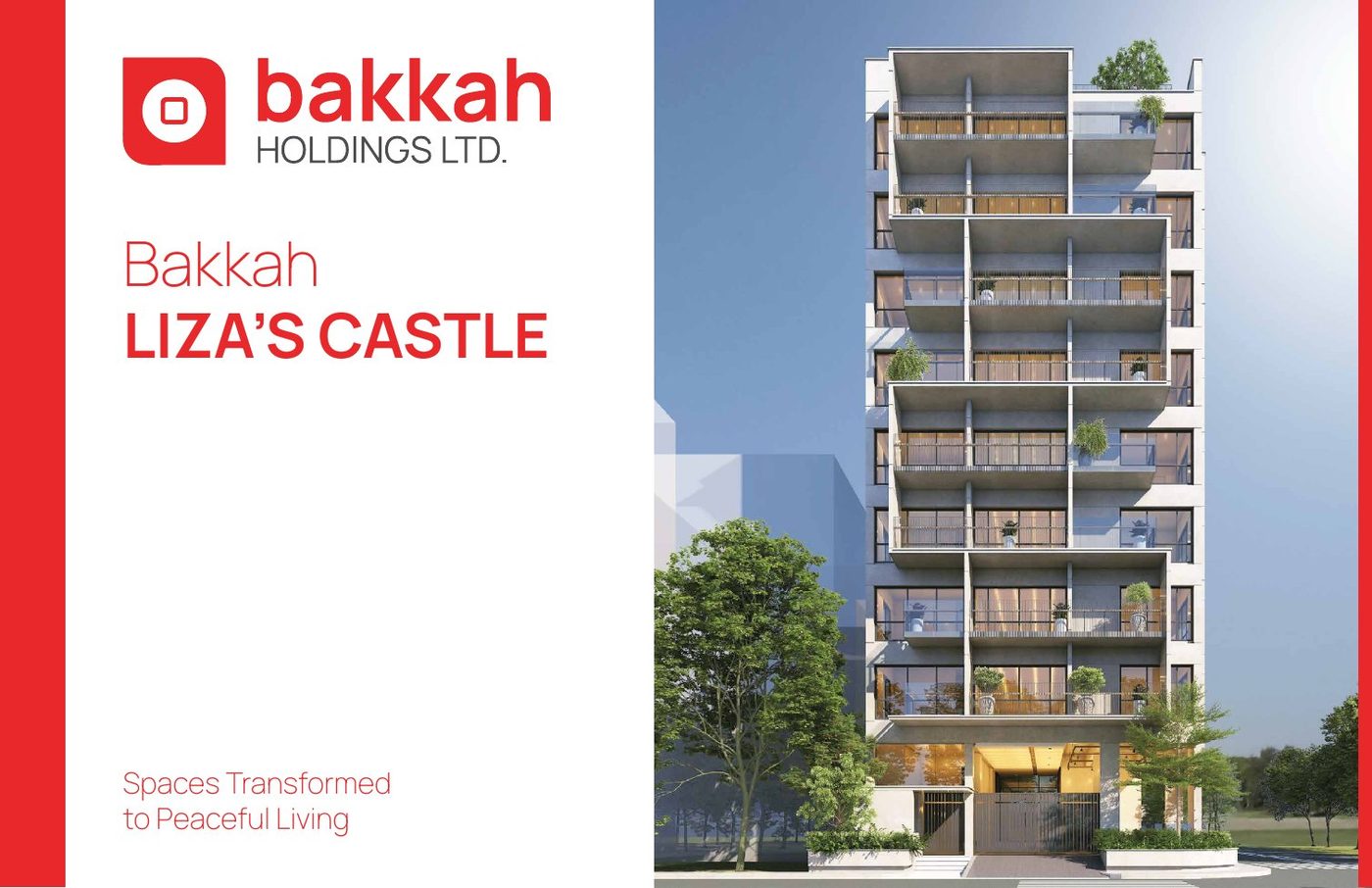
Sales deck cover
Bakkah Liza’s Castle sales deck cover: Spaces Transformed to Peaceful Living

The promise opens the deck.

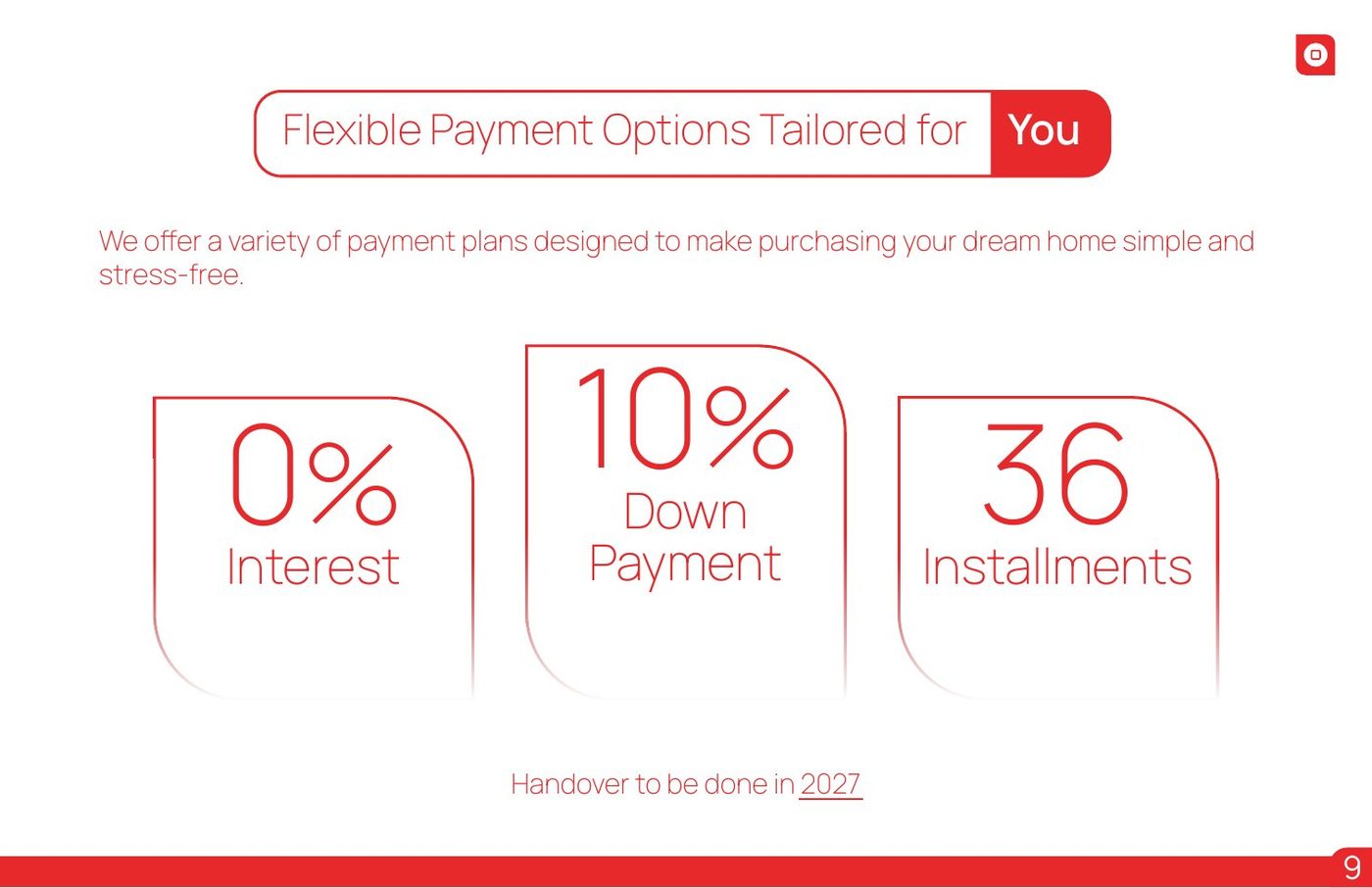
Payment page
Payment page: 0% interest, 10% down payment, 36 instalments, handover in 2027

Pay without pressure, in writing.

Site board
Final hoarding board for Liza’s Castle naming the architect and structural engineer

Who is building it, readable from the road.

07

Why TWC

TWC combines the strategic thinking of a consultancy with the creative execution and technical capabilities of a multidisciplinary studio. Where traditional agencies often operate within a single discipline, we start by understanding the business problem, then bring together brand, storytelling, design, and technology to build the right solution.

Business problemBrandStorytellingDesignTechnology
Strategy consultancyThe business problem
Traditional agencyA single discipline
TWCFrom the business problem to technology

The position you approve in step 4 goes straight into the identity, the film, and the website, made by the same team that wrote it.

08

You see the fee before we start

The size of the work depends on four things. We agree the scope, fee, review points, and timing with you before the work begins.

  • Audiences

    How many buyer groups need their own reasons to choose you.

  • Offers

    How many products or services the position has to cover.

  • Markets

    How many cities, countries, or sectors you sell into.

  • Customer evidence

    How much research, sales history, and customer feedback already exists.

09

Common questions

Does positioning work require a redesign?

You can use a new position with your existing identity. The first change might be the opening of your pitch, the order of services on your website, or the evidence you bring to a sales meeting. Those changes help you judge whether the visual identity also needs attention.

Who should be involved from our team?

Bring someone who sets business priorities, someone who regularly speaks with buyers, and someone who delivers the offer. Between them, they can tell us what you want to be known for, why customers choose you today, and which promises the business can keep.

What should we bring?

Your current pitch, a recent win, a sale that went quiet, and the alternatives buyers mentioned. Customer questions and existing research are useful too. A specific sales story is a perfectly good place to start.

What are your buyers choosing between?

Bring us one recent buying decision. Tell us what the customer wanted, what else they considered, and what finally settled it. We’ll start there.

Explore the rest of Brand strategy & identity
Brand naming and rebrandingVisual identity and graphic designBrand guidelines and style guidesBrand architecture
← Back to the full Brand strategy & identity package