In The Business Standard Meet the team behind Marvella ↗
The Wider CollectiveStart a project

Brand strategy & identity

Decide what your brand should be known for. Then give it a name, a look, and a way of speaking that people can recognise.

  1. 01Positioning
  2. 02Naming
  3. 03Visual identity
  4. 04Guidelines
  5. 05Architecture

The Wider Collective brings strategy and design together for businesses launching a brand, rethinking an existing one, or bringing several offers under one name. We start with the choice your customer is making. That decision shapes how you introduce the business, how your products fit together, and what people see when they encounter you for the first time.

01

What the full package covers

01

Positioning and brand strategy consulting

Why would someone choose you, and what would they choose instead? We work through customer needs, competing offers, and the claims your business can support. Together, we decide who to speak to first, what promise to lead with, and what evidence makes it believable.

You leave with audience priorities, a positioning statement, and a message hierarchy your team can use in a pitch, on a homepage, or in a creative brief.

You leave with
  • Audience priorities
  • Positioning statement
  • Message hierarchy
Explore positioning and brand strategy
02

Brand naming and rebranding

A name has to work when someone says it aloud, types it into a search bar, or sees it for the first time on a product. We agree on what the name needs to communicate, develop naming directions, and put the strongest candidates into those everyday situations.

For an existing brand, we also look at what customers already recognise and how to carry that familiarity through a change. You receive a shortlist with a rationale for each name and, where relevant, a plan for introducing the new one.

You leave with
  • Name shortlist
  • Rationale for each name
  • Introduction plan
Explore brand naming and rebranding
03

Visual identity and graphic design

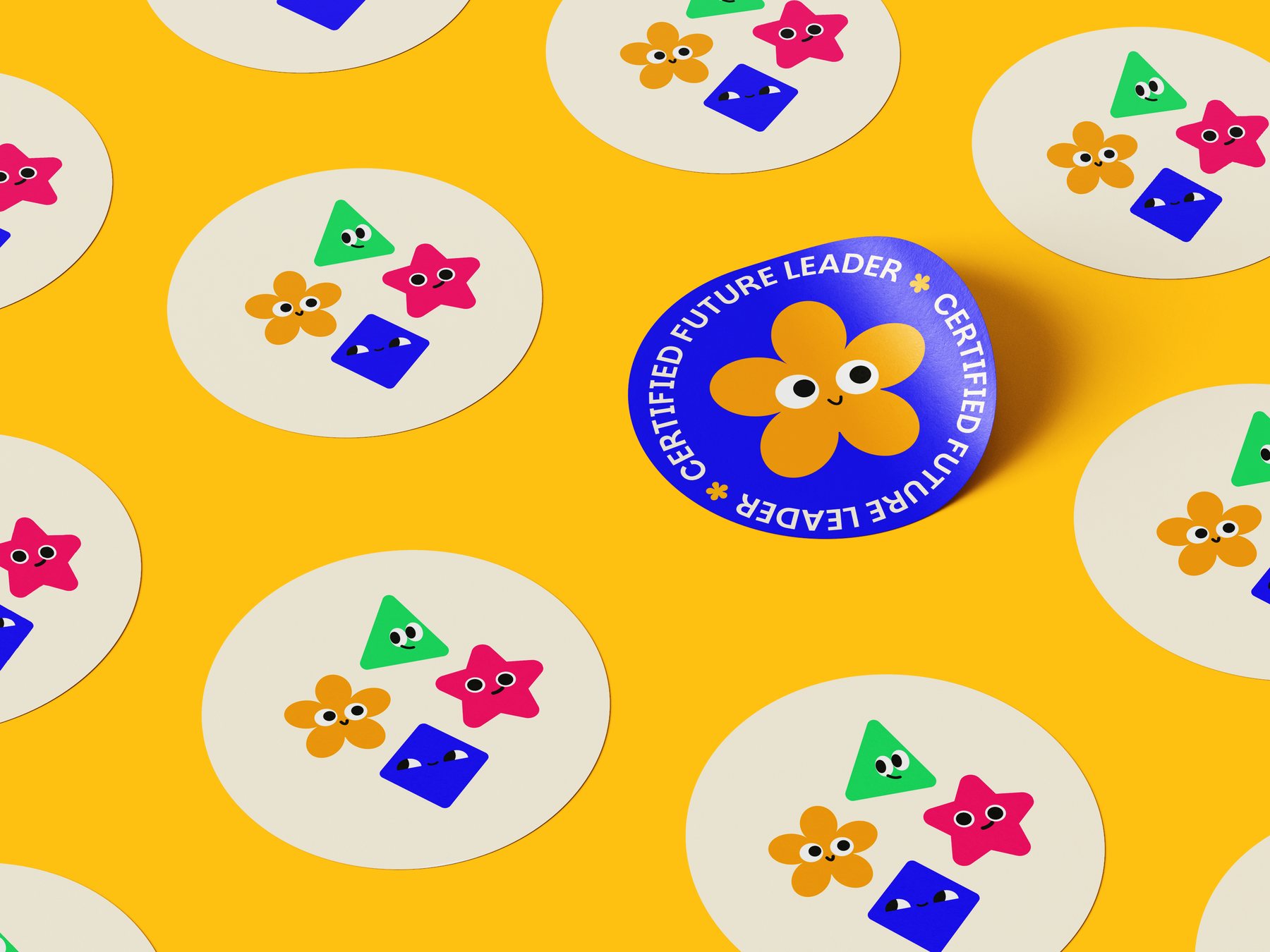
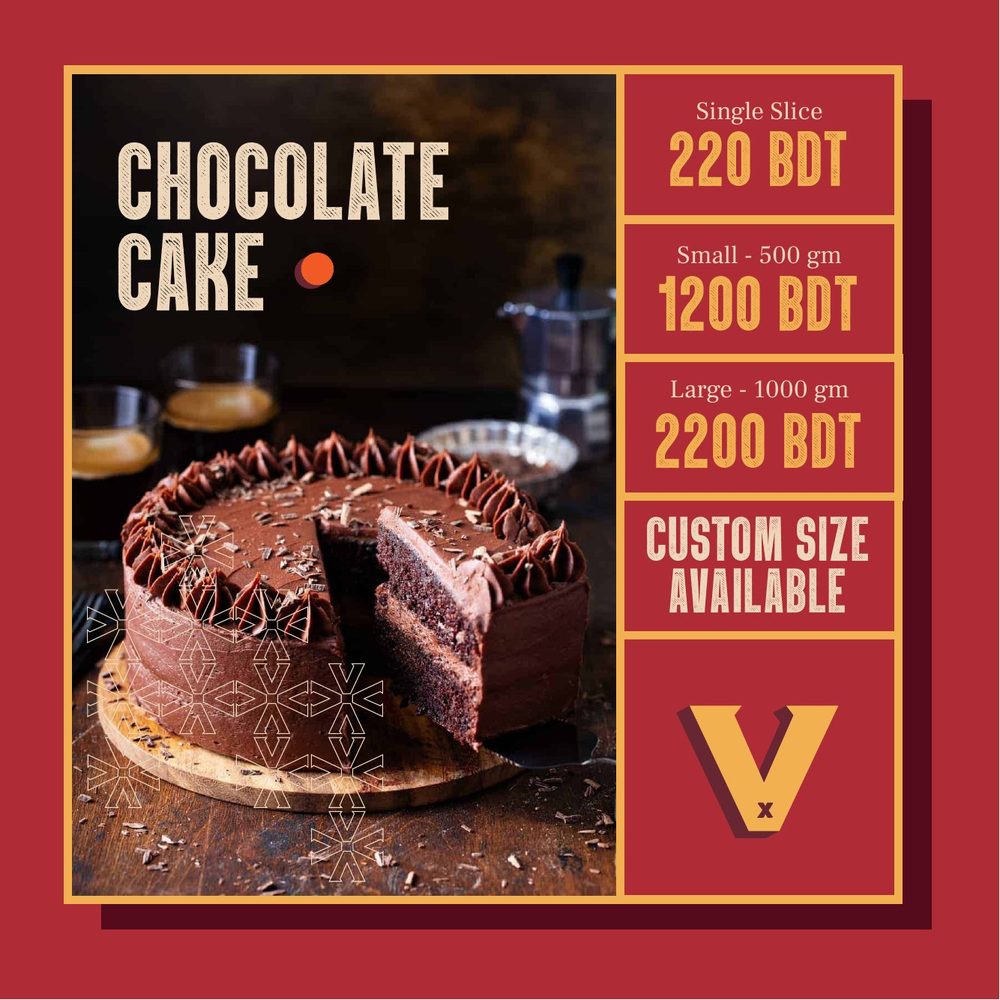
We turn the brand’s positioning into a visual identity. The logo, typography, colour, imagery, and layouts are developed together and tried on the things your customers will actually see. For one business, the deciding test might be a storefront sign viewed from across the road. For another, it might be a product label small enough to fit in someone’s hand.

You receive the core identity assets and worked examples showing how the design holds together across your priority applications.

You leave with
  • Logo
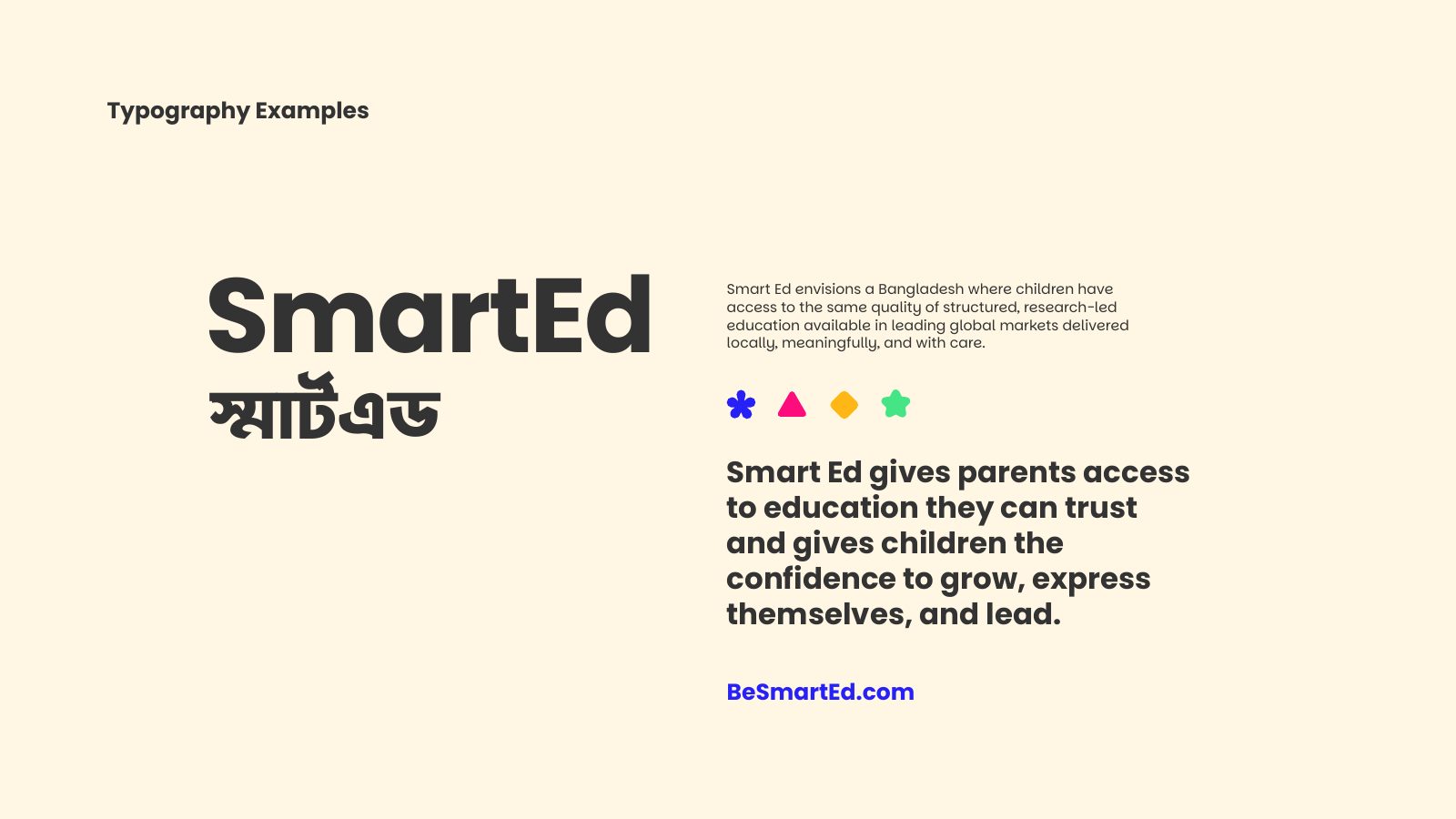
  • Typography
  • Colour
  • Imagery
  • Layouts
  • Worked examples
Explore visual identity and graphic design
04

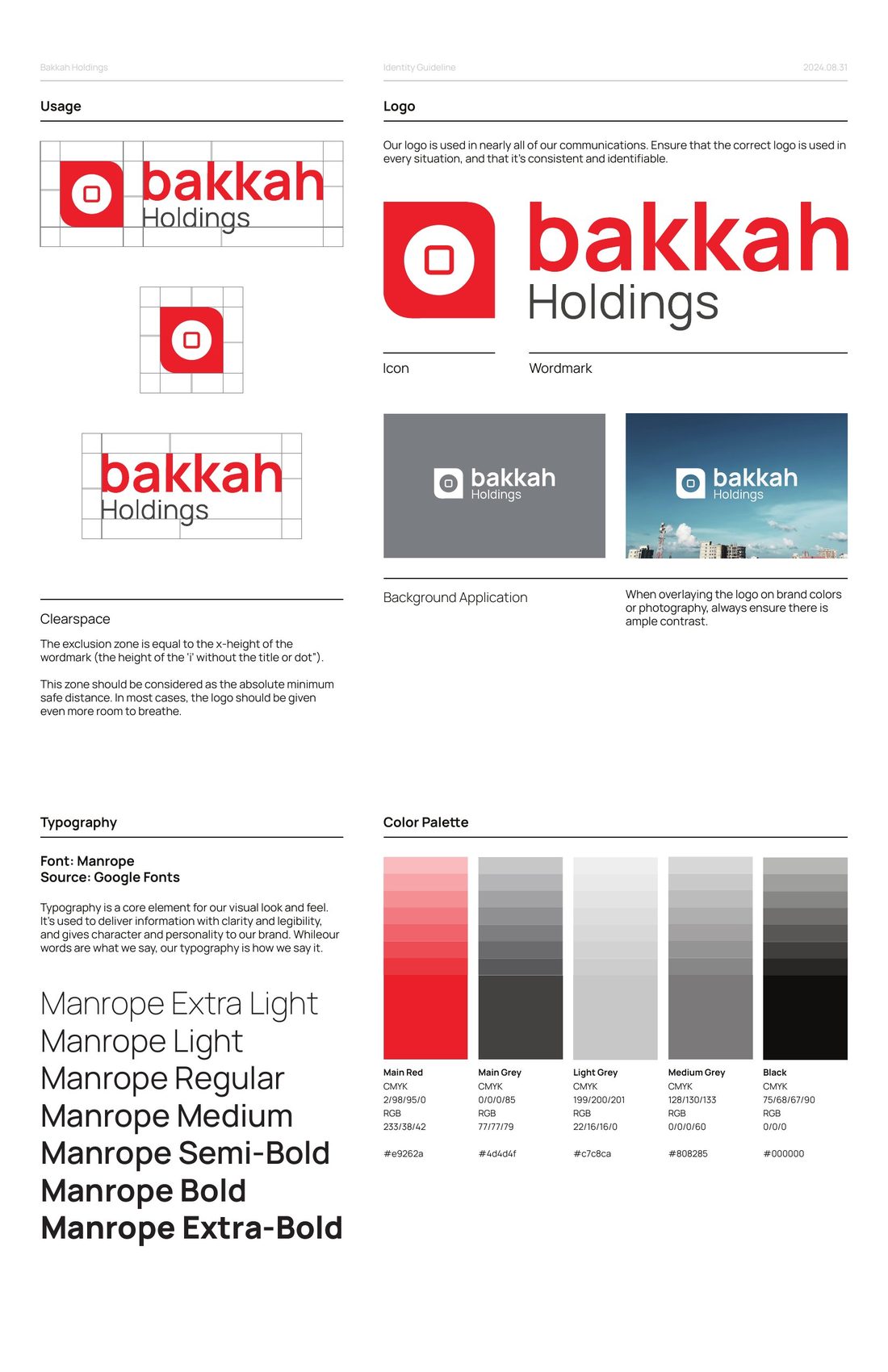
Brand guidelines and style guides

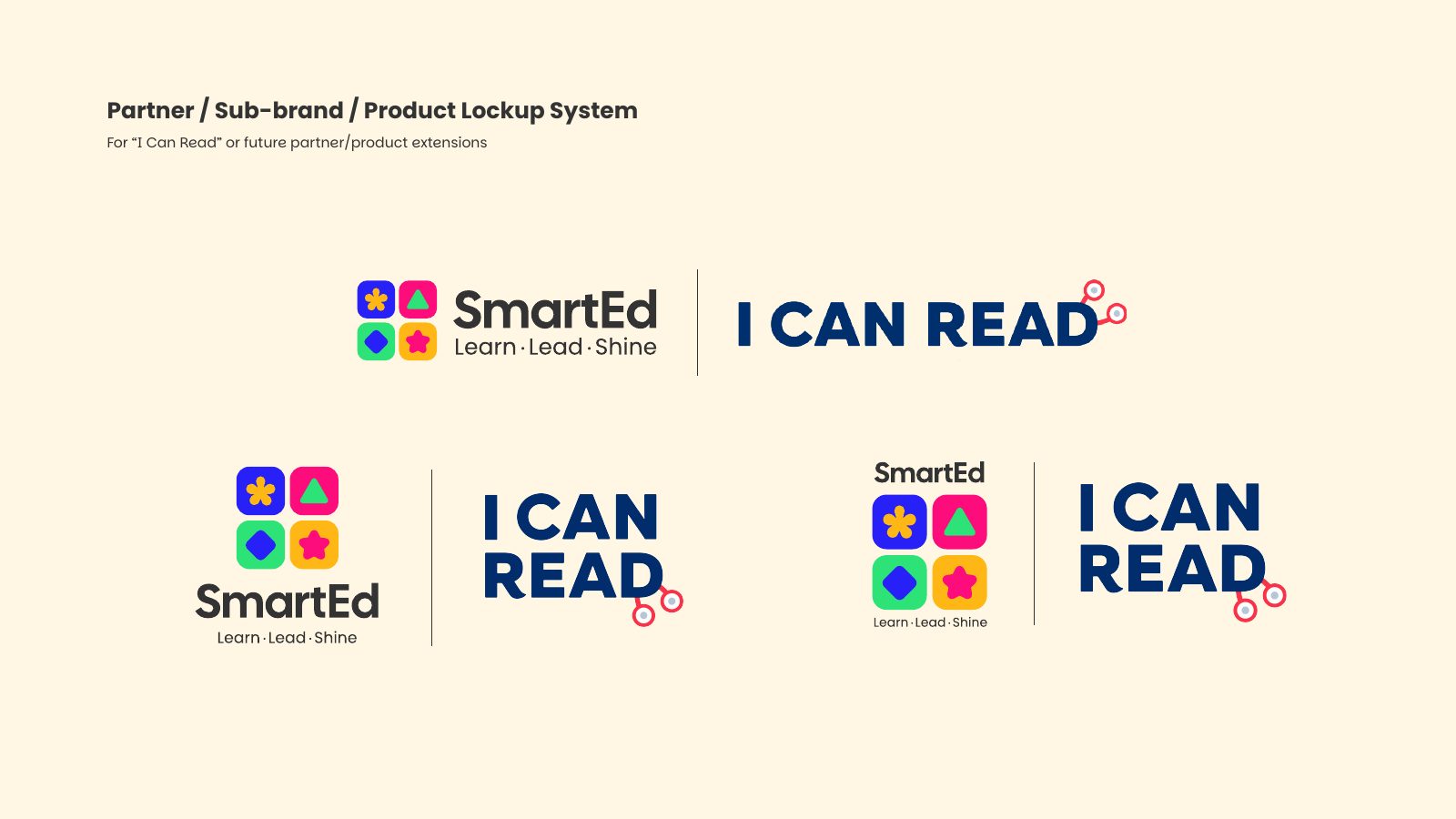
Once the identity is in use, other people will make things with it. A printer may need a single-colour mark. A partner may need to place its logo beside yours. A new designer may need to build a presentation before they have met the team.

We write the guide around those tasks. It brings the approved assets, usage rules, layout examples, and agreed templates into one place, so the next person knows both what to use and how to use it.

You leave with
  • Approved assets
  • Usage rules
  • Layout examples
  • Templates
Explore brand guidelines and style guides
05

Brand architecture

When a business has several products, services, or programmes, customers need to understand what belongs together. We map the portfolio and decide when the company name should lead, when an offer deserves a name of its own, and when a straightforward description will do.

You receive a map of the brand relationships, examples of how the names appear together, and a set of rules your team can use when the next offer comes along.

You leave with
  • Brand relationship map
  • Names shown together
  • Rules for the next offer
Explore brand architecture
02

How the pieces come together

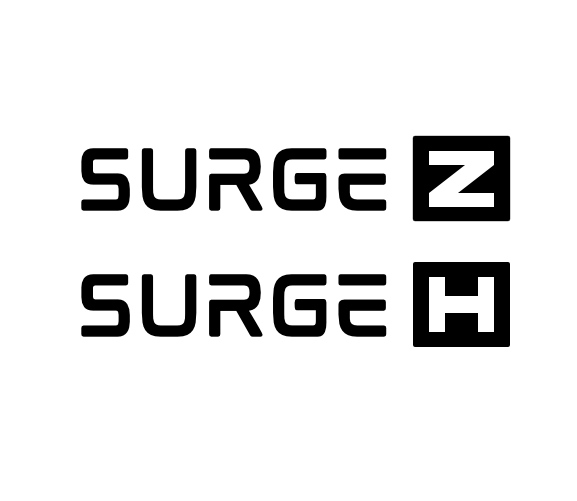
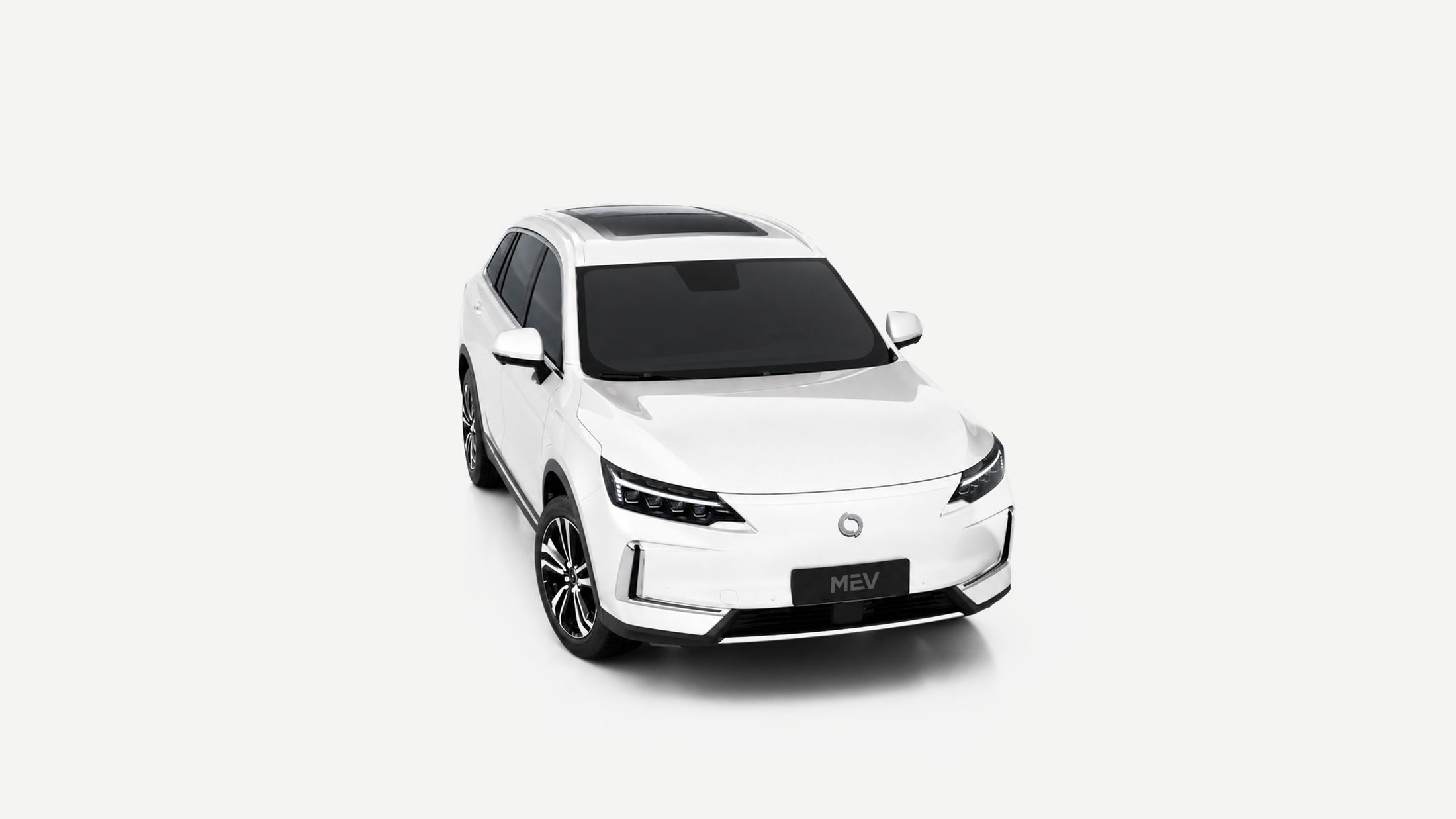
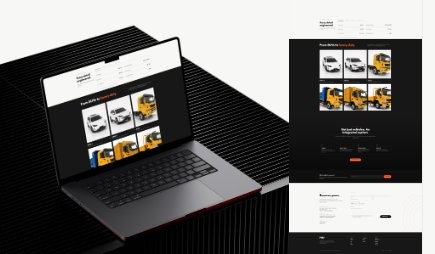
For MEV Autos, a buyer needed to understand both who made the vehicle and which model they were looking at. That question connected three parts of the work: the manufacturer’s name, the naming of its vehicle range, and the way both appeared on rear badges and the launch website.

A badge has room for a few words. A website has room to explain an entire range. The same naming hierarchy had to make sense in both places.

  1. Manufacturer’s nameMango Electric Vehicles · MEV
  2. Range namingSURGE, CURRENT, ATLAS, DELTA
  3. Where both appearRear badges and the launch website
View the MEV Autos case study →
The badge · a few words
MEV SURGE Z
SURGE Z150
3 words
The website · the entire rangeMEV launch website on desktop and mobile
MEVSURGECURRENTATLASDELTA
03

Where should we start?

Bring us your current pitch, your list of products or services, and one question customers keep asking. If you’re starting from scratch, tell us what you plan to offer and who you think will choose it. That gives us a concrete place to begin and helps us agree which decisions the project needs to settle.

01Your current pitch
02Your list of products or services
03One question customers keep asking
orWhat you plan to offer, and who you think will choose it
Discuss your brand project →
Other services
Film, content & motionCampaigns & mediaWebsites & digital products