In The Business Standard Meet the team behind Marvella ↗
The Wider CollectiveStart a project

Motion graphics and 2D/3D animation

Put a character on a real street, bring a brand mark to life or show how a product works from the inside. We develop the idea, design the frames and work out the timing before moving into animation.

01

From the portfolio

Separate product films for what was on the shelves
YOYOSO Bangladesh

A giant teddy bear on Banani Road 11

YOYOSO sells the kind of plush bear a shopper might pick up on a visit to the store. For its Bangladesh summer campaign, we reversed the encounter. On his way to the Banani shop, creator Rakin Absar came face to face with a giant CGI bear on Road 11.

The creative choice was as much about the street as the bear. On a familiar road, viewers had an immediate sense of how large the character was. Rakin gave them someone to follow, and the real shop gave the encounter a destination. The idea could be understood in a shot, even by someone who had never heard of YOYOSO.

The bear film introduced the shop. Separate product films let viewers look more closely at what was on the shelves, from lunch boxes to beauty accessories. Each piece had its own job within the summer campaign.
MEV

An electric vehicle identity in motion

The MEV symbol brings together two ideas. Its outer ring draws on the rotating motor of an electric vehicle. The shape inside it recalls a mango seed, a reference to the brand’s origins. That gave the motion work a starting point already present in the identity. Seen alongside the finished mark, the logo animation gives viewers a moment to notice the relationship between those shapes.

See the MEV symbol in motion
Death Corp Piggies

Take a character beyond the page

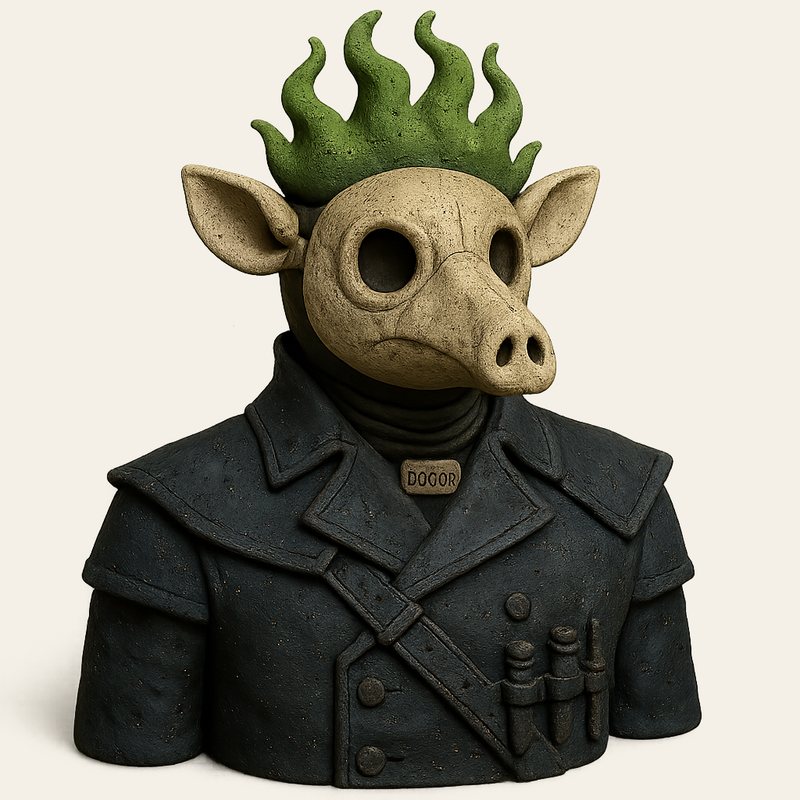
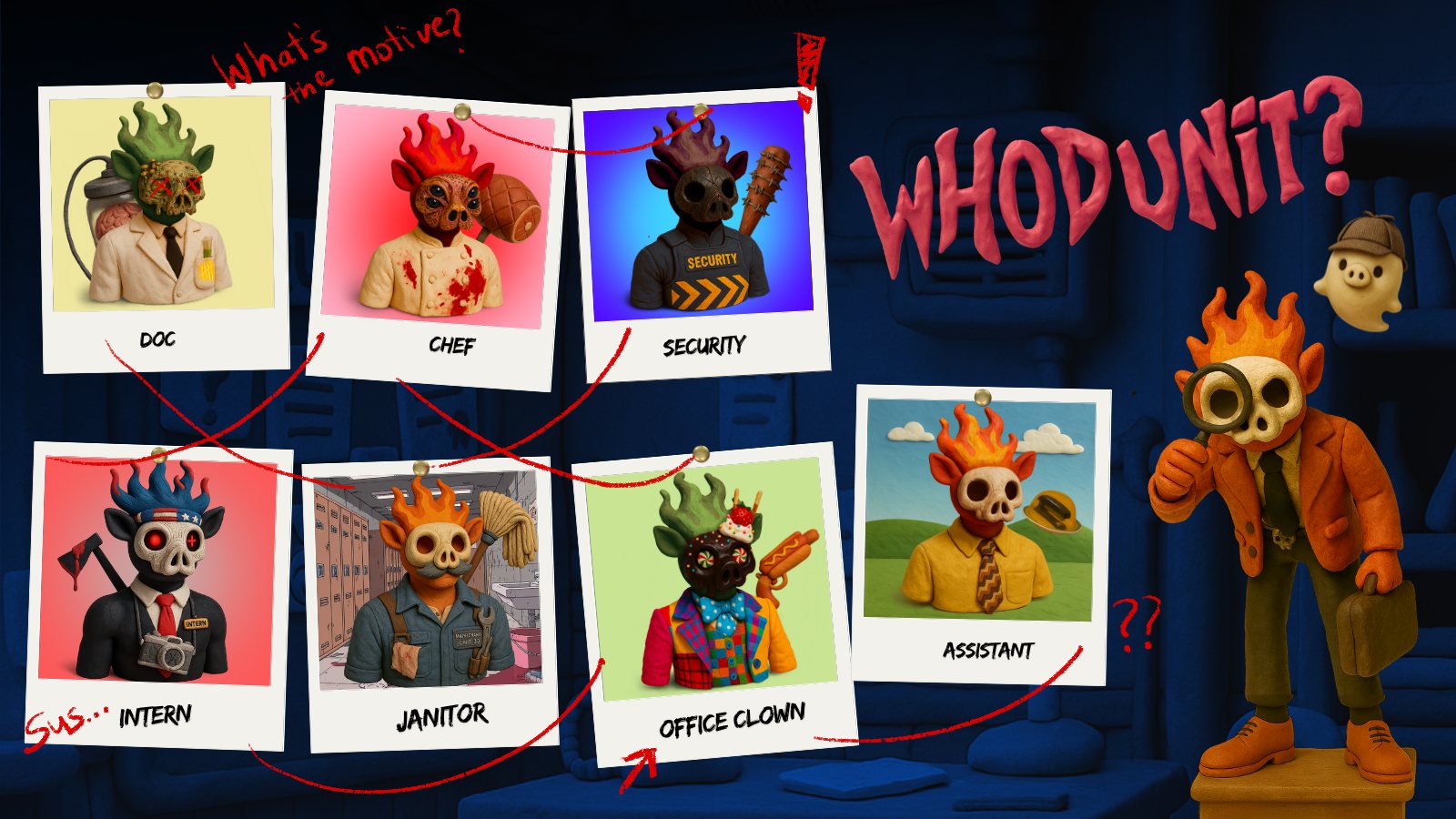
Death Corp Piggies built a fictional world across comics, riddles, social content and a digital experience. Character animation gave the illustrated cast another way to tell that story. A comic reader decides how long to stay with a panel. In animation, the length of a pause or the timing of a reaction becomes part of how the audience reads the character.

Explore Death Corp Piggies
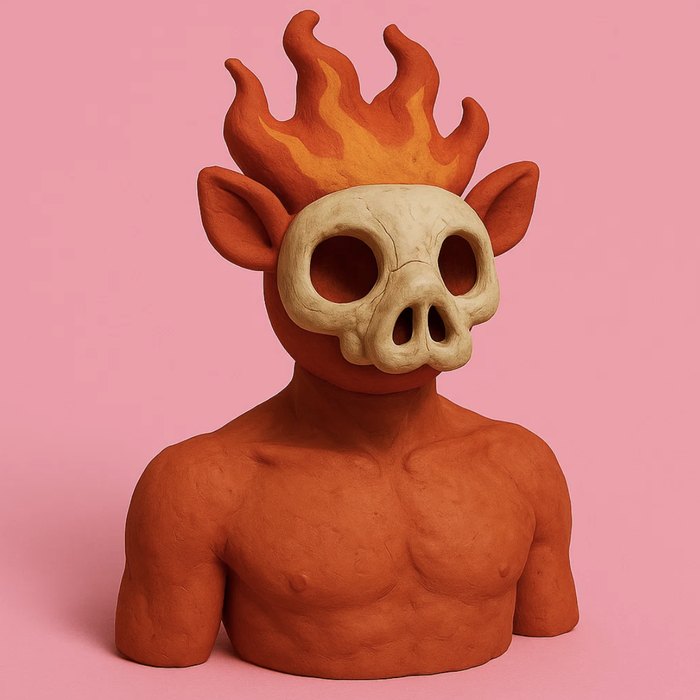
How a Piggy is built, from the real collection
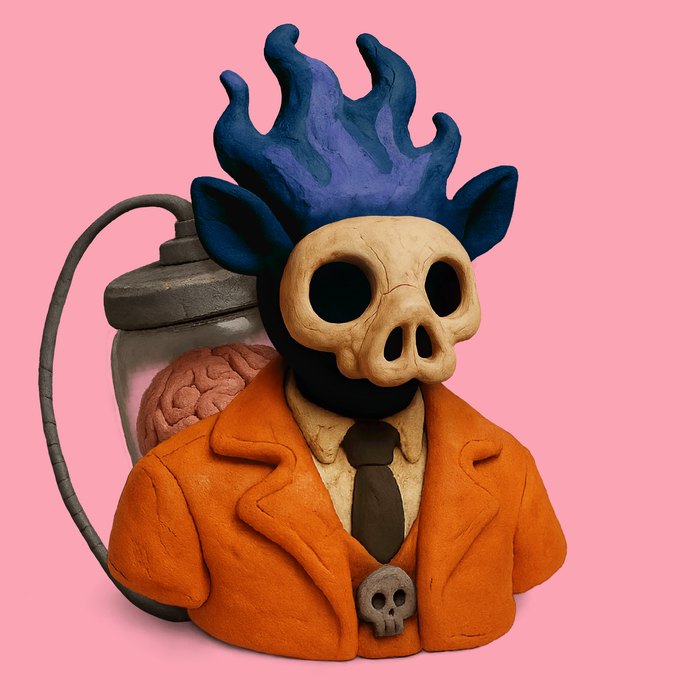
  1. Death Corp Piggy NFT: the base piggy
    01The base PiggyBody, flame and skull mask, before any traits
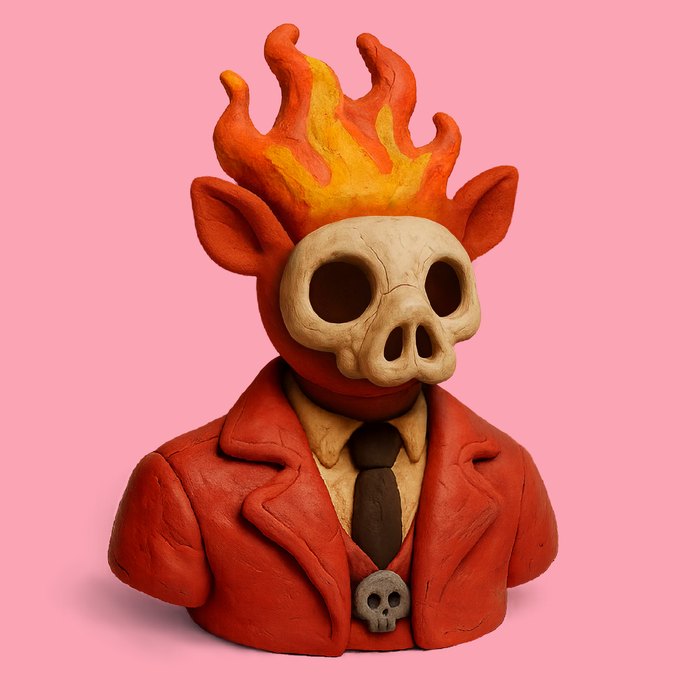
  2. Death Corp Piggy NFT: pick an outfit
    02Pick an outfitThe suit layer goes on
  3. Death Corp Piggy NFT: recolour the flame, add an accessory
    03Recolour the flame, add an accessoryBlue flame, a brain in a jar
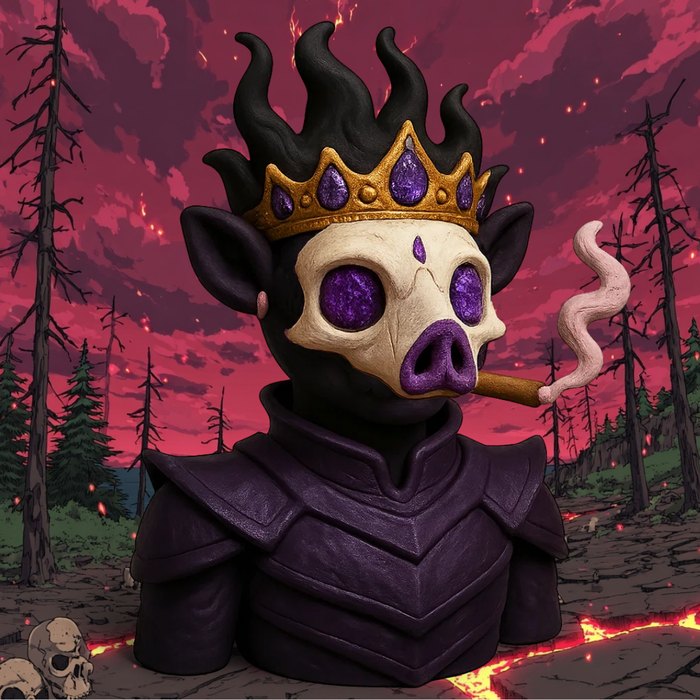
  4. Death Corp Piggy NFT: change the mask and background
    04Change the mask and backgroundCrowned skull, armour, a burning forest
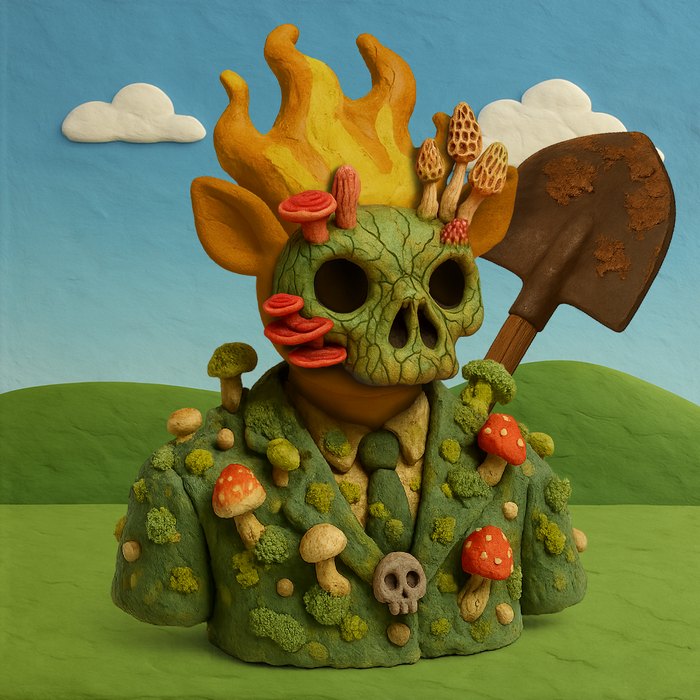
  5. Death Corp Piggy NFT: every layer at once
    05Every layer at onceMossy mask, mushroom suit, shovel, hills
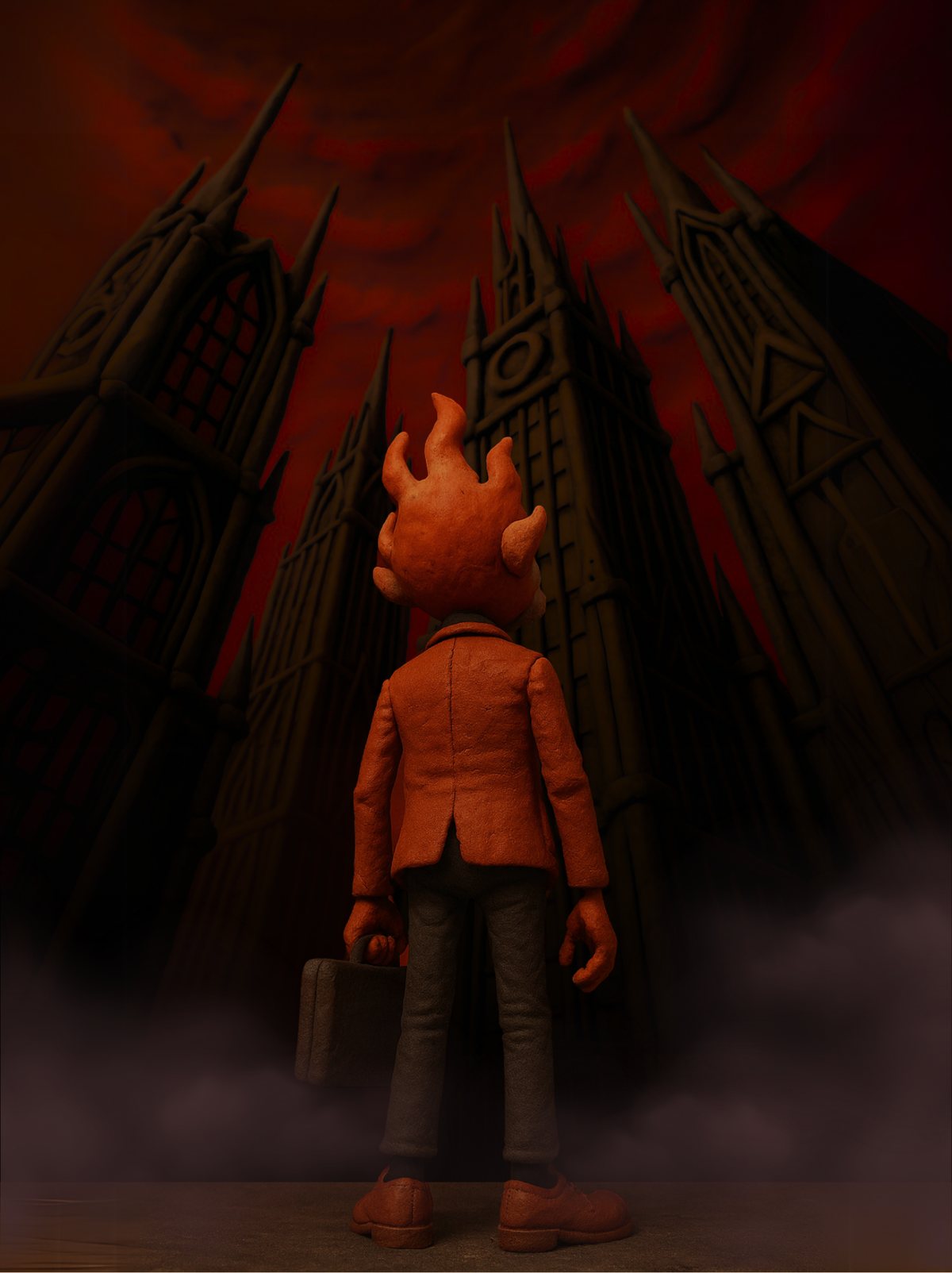
06Then into animation · the timing decides
02

What the work covers

03

What you review before the final render

  1. 1

    The idea and style frames.

    You see the proposed visual treatment in a handful of representative stills. This is where we agree on composition, colour, character or product detail.

  2. 2

    The storyboard and timing.

    We arrange the shots in sequence and, where useful, build a rough timed edit called an animatic. You can see whether the opening reads quickly enough and whether the audience has time to absorb the important moment.

    OpenTurnThe important momentOut
  3. 3

    The motion pass.

    You review the movement itself, from the pace of a transition to the weight of a character’s step. Once the motion is agreed, we finish the detail and prepare the versions needed for release.

    ease in · ease out
04

What you leave with

You receive the finished animation and the agreed versions for the places it will run. That could mean a looping logo for a website, a vertical campaign edit with captions or a product sequence for a presentation. We agree on placement, duration, sound and file requirements at the start so each version is designed for its destination.

A looping logo for a website
Captions on
A vertical campaign edit with captions
A product sequence for a presentation
05

Common questions

Do we need 2D or 3D?

It depends on what the viewer needs to see. Type, diagrams and illustrated stories often work well in 2D. A product rotating in space or an oversized object sharing a street with a real person calls for depth and perspective. We use the brief and early frames to make that choice together.

Can you animate artwork or footage we already have?

Yes. Send the original artwork, brand files or footage along with the intended use. We’ll review what can be animated as supplied and whether anything needs to be separated, rebuilt or captured.

What determines the fee and schedule?

A short logo loop and a character interacting with live footage can have the same running time and very different production needs. We scope the work around the number of shots, the movement within them, the assets already available and the versions you need.

What do you want to put in motion?

Send us the mark, character, product or scene you have in mind. Tell us where people will see it and what you want them to notice.

Talk to TWC about motion and animation ↗
More in Film, content & motion
Content strategy and creative directionFilm, photography and podcastsCopywriting and social contentIllustration, infographics and 3D modelling
← Back to Film, content & motion