

In The Business Standard Meet the team behind Marvella ↗
The Wider CollectiveStart a project

Content strategy and creative direction

Decide which stories your brand should tell and how to tell them. We start with what your audience wants to know, develop an idea worth their time and turn it into a brief your writers, designers and production team can use.

A brief, rewritten as a question

“Promote two flight routes”“What could someone from Dhaka do after landing?”
AirAsia
01

Where does a good content brief start?

“Promote two flight routes” tells a team what the business needs. “What could someone from Dhaka do after landing?” gives a creator a reason to go somewhere and a viewer a reason to watch.

For AirAsia, that question shaped the itineraries, the experiences we filmed and the moments we chose for shorter edits. It’s a useful test for any content idea. Once you know whose question you’re answering, it becomes easier to decide what belongs in the story.

02

What the work covers

  1. 01

    Understand what your audience wants to know

    We look at what people ask before they buy, what they need to see for themselves and what brings them back. Your sales conversations, customer enquiries and existing content give us a starting point. Together, we choose the audience and questions that matter most to the brief.

    You review a short brief identifying who the work is for, what they already know and what the content should help them understand or do.

  2. 02

    Choose stories your team can keep telling

    A theme earns its place when it gives your team ideas for the second and third instalments. For a retailer, “our products” leaves the next post wide open. “What do you pack for lunch at work?” suggests the items to feature, the person to follow and the setting for the shoot. We develop editorial themes around questions like these and check that your team has the access and material to sustain them.

    You review a set of themes with example story ideas, a format for each and a recommendation on where to begin.

  3. 03

    Decide how the story should look and sound

    The same subject can become a demonstration, a first-person account or an illustrated explainer. We choose a perspective and work through the opening, the sequence and the details the audience needs to see or hear. Depending on the format, we might bring you a sample script, a storyboard or a photography treatment.

    You review a worked example that lets you judge the voice, imagery and pace before committing to production.

  4. 04

    Give each format a job

    A full episode can follow an experience from beginning to end. A short edit might answer one question from that episode. A separate piece can carry the price, offer or invitation to book. We decide what each version needs to communicate, then plan what to capture, write or design for it.

    You review a production brief and a prioritised plan showing what to make first, where it will appear and what your team needs to prepare.

03

From the portfolio

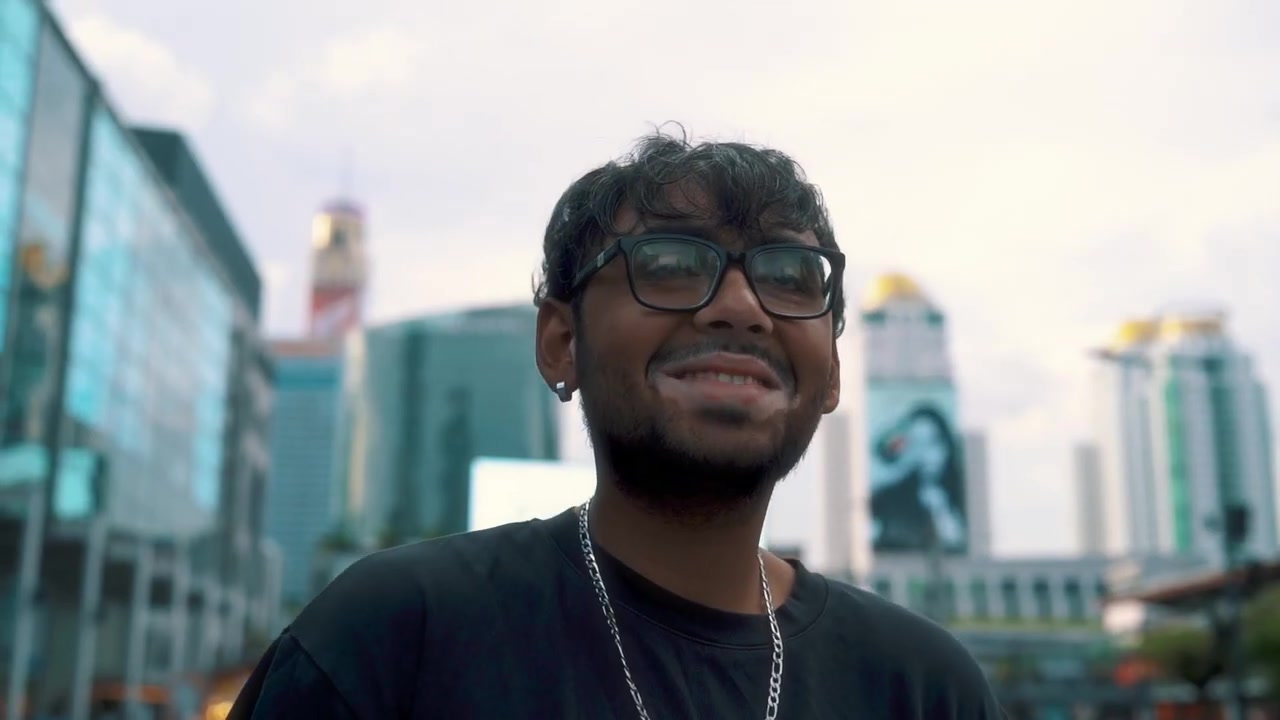
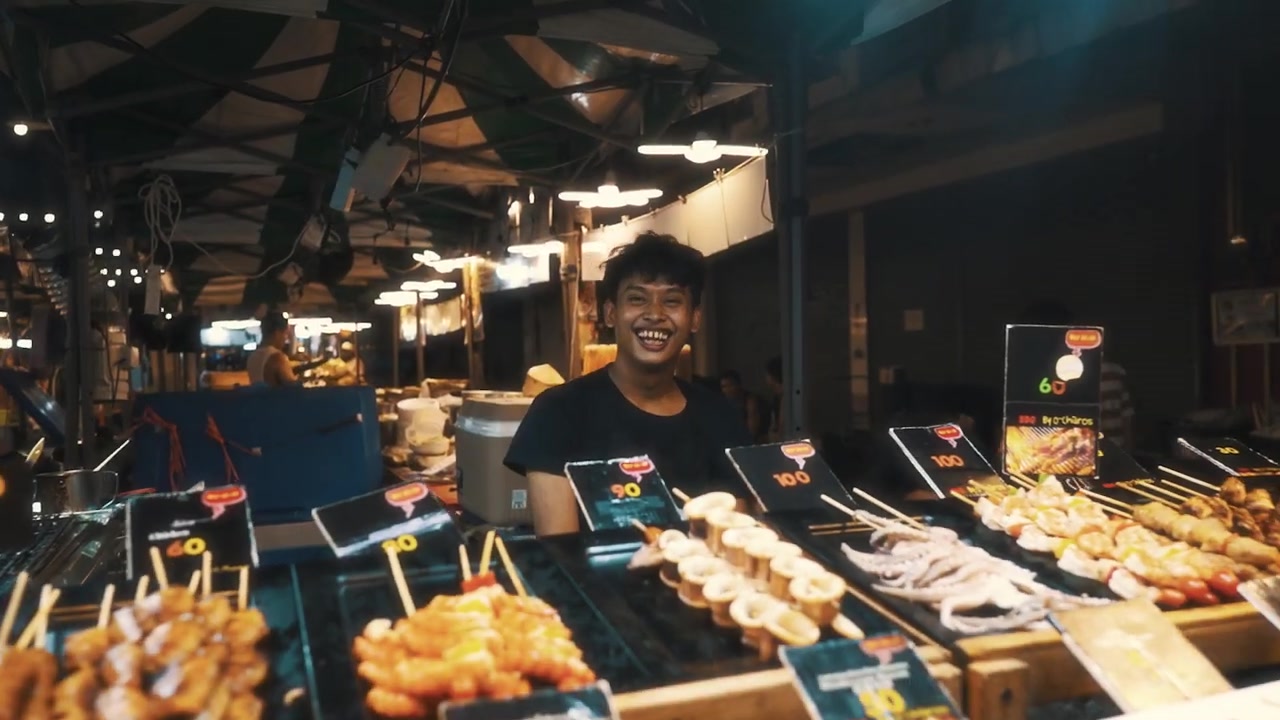
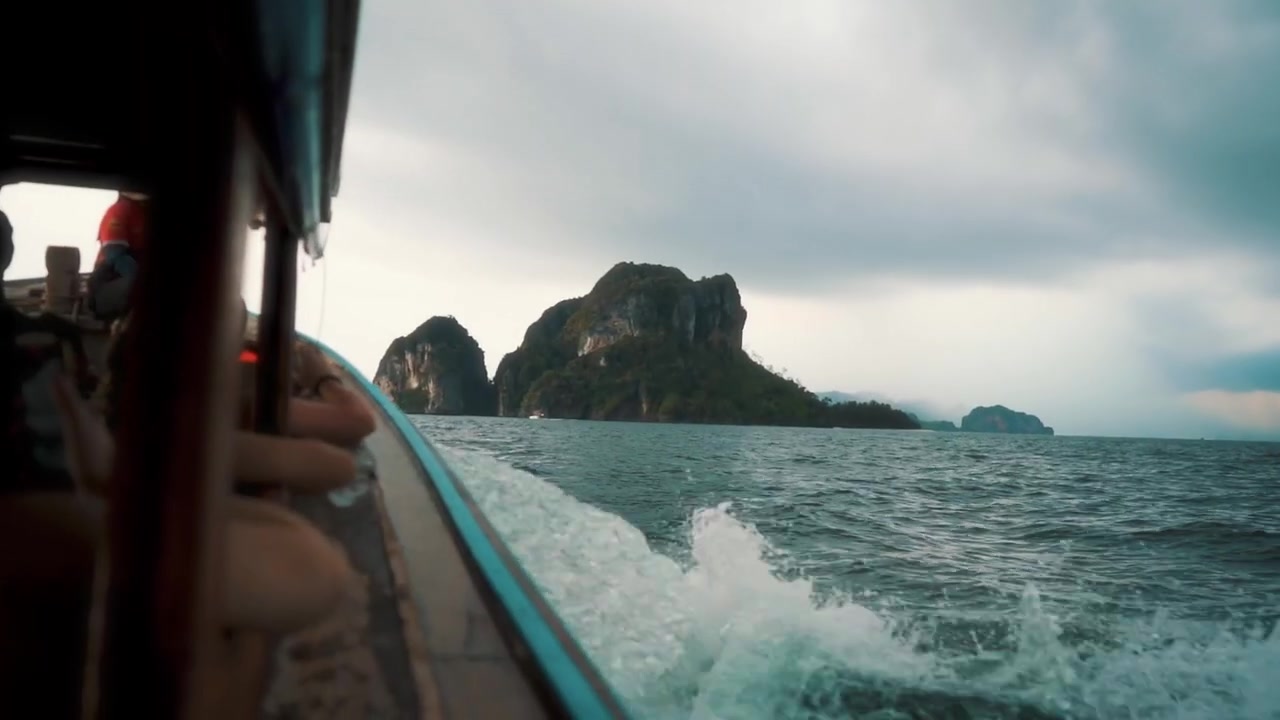
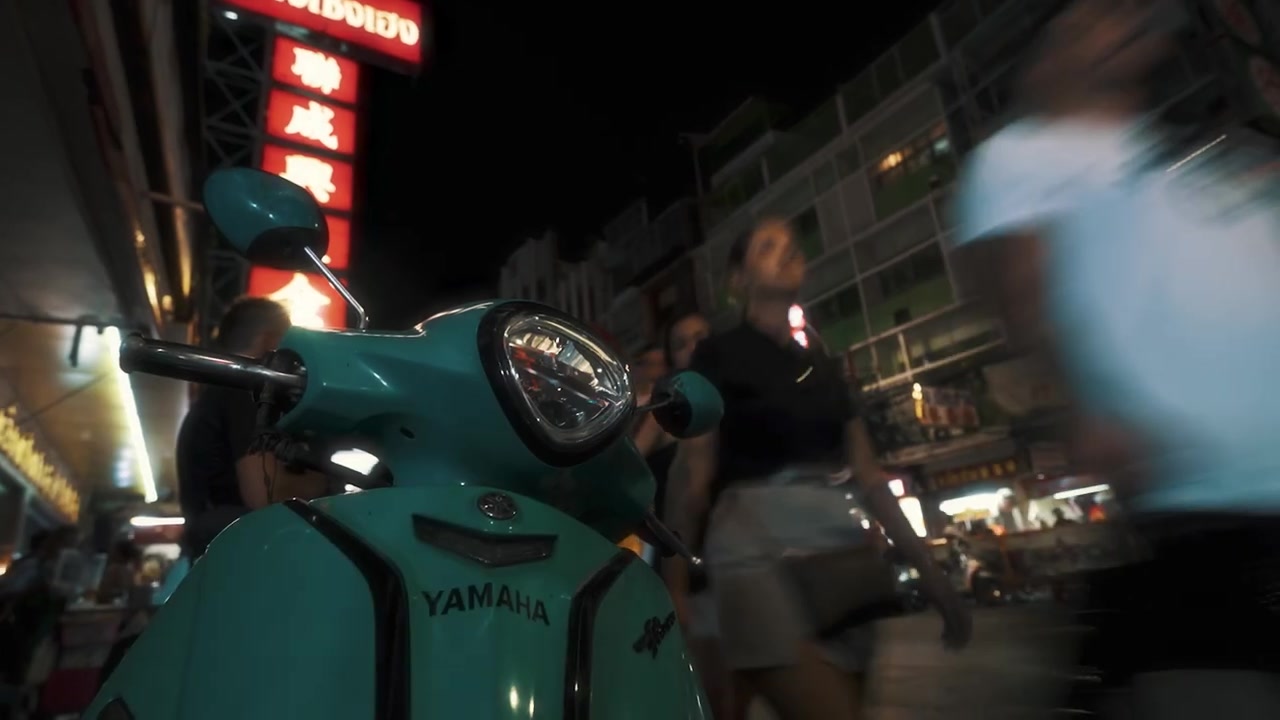
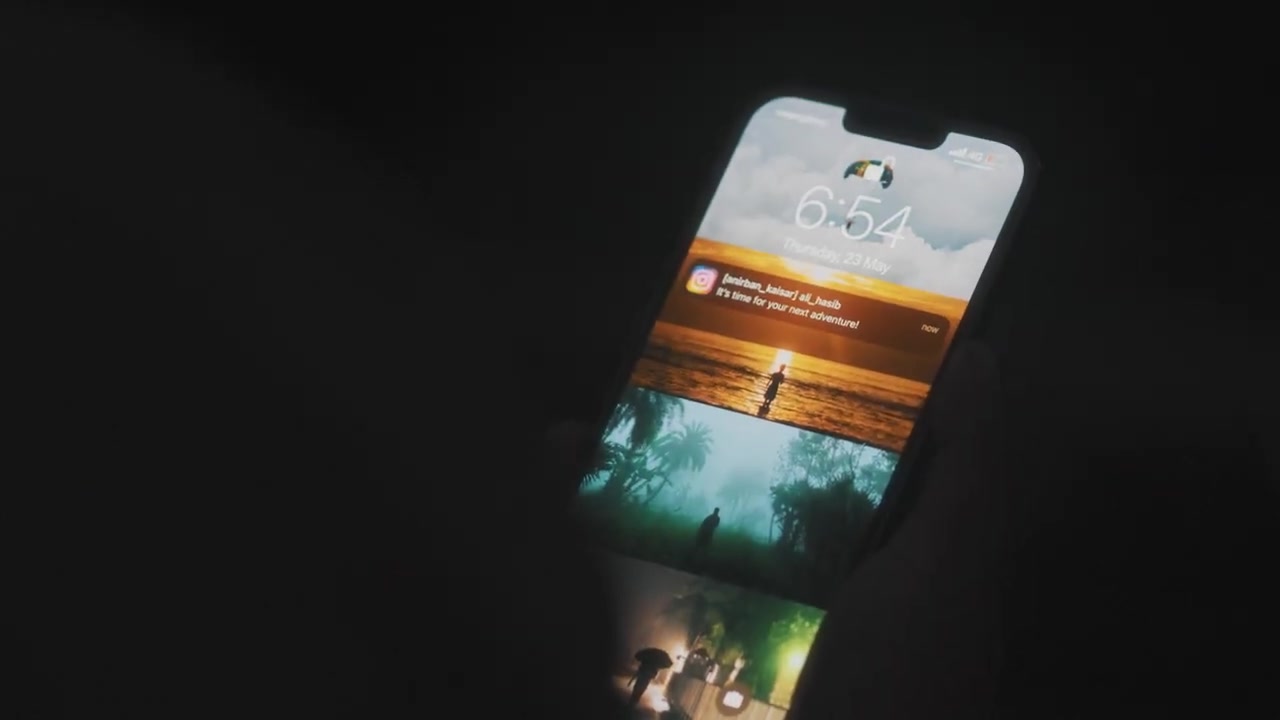
Night market food stall in BangkokLongtail boat heading to the islandsBangkok street at nightA flight offer on a phone screen
AirAsia

Give travellers a reason to take the route

AirAsia wanted people in Dhaka to consider two destinations. We planned itineraries with creators around what a visitor could actually experience after landing. Four travel films followed those itineraries. Short edits introduced individual activities in the feed, while fare-led creative connected the destination stories to the flight offer.

Explore the AirAsia travel series
YOYOSO Bangladesh

Give each product a place in the story

A shopper could walk into YOYOSO for a lunch box and leave with makeup brushes or a plush toy. For the summer product films, we organised that variety around familiar routines. A lunch box appeared with a fork and bottle. In the beauty edit, a hand moved through brushes, a comb and clips against lilac.

The creator film answered a different question. How could the journey to the shop become a story people would want to watch? On Banani Road 11, Rakin Absar met a giant CGI version of a YOYOSO teddy bear. The product, the location and the destination all belonged to the same idea.

See the YOYOSO films and in-store work
04

What you leave with

Your team gets an editorial brief that identifies the audience, the story and the creative choices behind it. For a single launch, that can mean one treatment and a brief ready for production. For an ongoing programme, it also includes recurring themes, sample stories and a plan for the first set of pieces. A writer should know where to begin, a producer should know what to capture and the person approving the work should know what to look for.

05

Common questions

Can you work with our existing content calendar?

Yes. We can start with an upcoming month, look at what each entry is meant to achieve and develop the most promising ideas into briefs.

Can our in-house team produce the work?

Yes. We shape the direction around the people making it, the channels they manage and the time they have. TWC can also produce agreed pieces where you need additional support.

What determines the fee and timeline?

A launch with one audience and one production brief has a different scope from a recurring series across several channels. We agree the deliverables, fee and schedule once we understand the decisions you need help making.

What’s the next story your team needs to tell?

Send us an upcoming launch, a question customers keep asking or a piece of content you’re finding difficult to brief. That gives us somewhere concrete to start.

Talk to TWC about content strategy ↗
More in Film, content & motion
Film, photography and podcastsCopywriting and social contentMotion graphics and 2D/3D animationIllustration, infographics and 3D modelling
← Back to Film, content & motion