












In The Business Standard Meet the team behind Marvella ↗
The Wider CollectiveStart a project

Media buying and out-of-home planning

Decide where your campaign should run, how long it should be there and what each placement is worth. We plan digital and out-of-home media around who you need to reach, where you can reach them and what they’ll have time to notice.

01

What are you buying when you buy a placement?

Consider two outdoor sites near the same shopping centre. One faces drivers on the approach road. The other sits beside the pedestrian entrance. The roadside panel may give someone a few seconds to recognise the brand and remember the turn. At the entrance, a shopper on foot has time to read an offer and act on it.

On a media plan, both could appear under outdoor. We look closer. Who actually passes each site? Can they see it from the direction they’re travelling? What decision can they still make when they reach it? Those answers help us decide which space deserves the budget and what the creative team should put there.

  • Who actually passes each site?
  • Can they see it from the direction they’re travelling?
  • What decision can they still make when they reach it?
02

What the work covers

  1. 01

    Choose the audience, market and moment

    We start with the people the campaign needs to reach and the action you want them to take. For a store opening, that might mean people who live nearby, commute past the site or already visit the shopping district. Their routes, the opening date and the area the store can realistically serve give us a starting point for the buy.

    You review an audience and location brief, the campaign dates and a role for each proposed channel.

  2. 02

    Assess outdoor sites from the audience’s position

    A supplier’s close-up photograph can make a panel look clear. A wider view from the approach can reveal a tree, a turn in the road or another sign competing for attention. We assess candidate sites against the actual viewing conditions, including sightline, distance, lighting and time in view. For digital outdoor screens, we also check how long the ad appears and how often it returns in the rotation.

    You review a shortlist with site references, available visuals, proposed dates, costs and the reason each placement earns its place.

  3. 03

    Decide how to distribute the budget

    We show what the budget buys under different choices. Concentrating spend around one location can give people repeated exposure. Spreading it across more areas can introduce the campaign to more people, with fewer opportunities to see it again. We also account for costs that affect the choice, including print, installation and artwork adaptations.

    You review a recommended allocation by channel, location and period, with media costs, production costs and estimated reach identified separately.

  4. 04

    Book the space and check delivery

    Once you approve the placements, dates and spend, we confirm availability and booking terms with the suppliers. The creative team receives the dimensions, file requirements and delivery deadlines. When the campaign runs, we check delivery against the booking using the evidence available for each placement, such as installation photographs, screen play reports or digital platform reports.

    You review the booking schedule, artwork deadlines and a record of what ran, where and when.

03

From the portfolio

Cinema · discover the park
Feed · send a ride to a friend
Bank offer artwork: ABBank offer artwork: DBBLBank offer artwork: JAMUNABank offer artwork: MEGHNABank offer artwork: MIDLANDBank offer artwork: MTBBank offer artwork: NCCBank offer artwork: NRBBank offer artwork: PREMIERBank offer artwork: PRIMEBank offer artwork: SEBBank offer artwork: UCB
Partner offer · find your own card
Mana Bay

A cinema screen, a social feed and a partner offer

Mana Bay’s campaign shows why placement belongs in the creative brief. The Star Cineplex cut gave the waterpark a big-screen introduction. In the feed, the Loop of Faith reel gave one ride the full frame. Later, when a group was working out how to pay for a visit, artwork for 12 banks let people find the offer attached to their own card.

Those placements called for different decisions from the viewer. The cinema audience could discover the park. Someone on a phone could send a ride to a friend. Someone checking a bank offer needed the partner name and the terms to be easy to find. That’s the level of detail we bring to the question of where a campaign should appear.
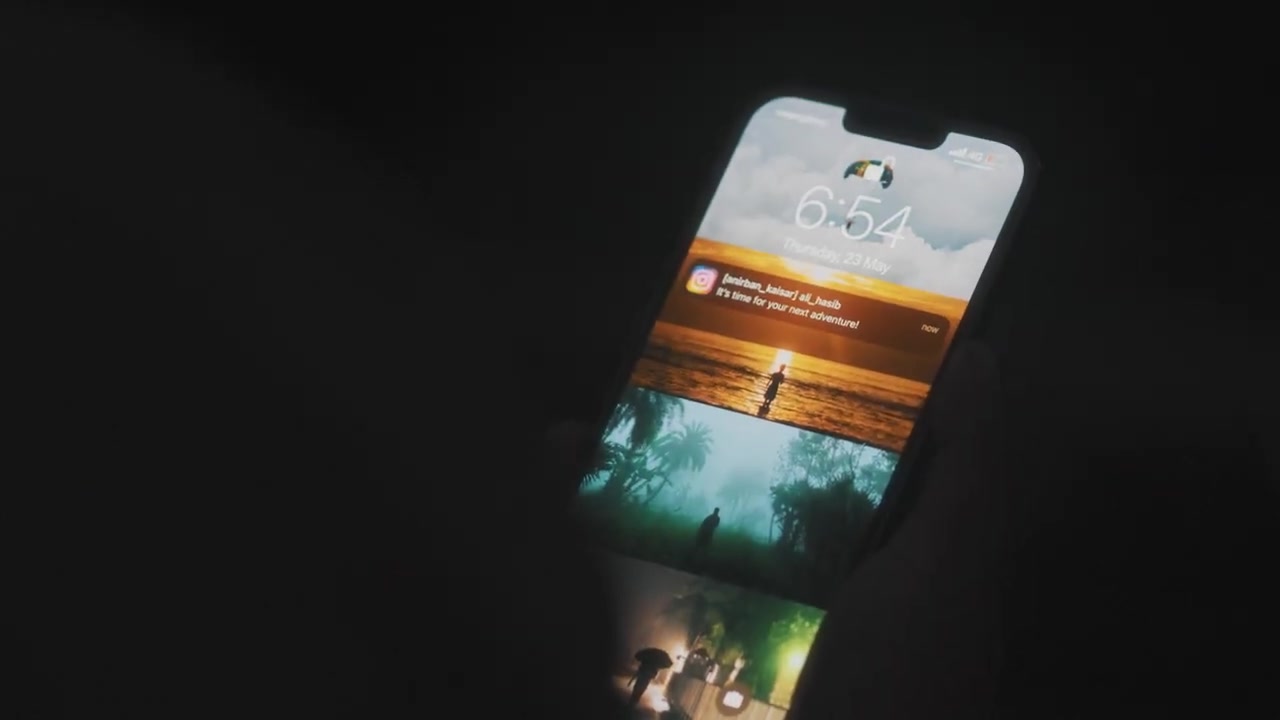
Discovering a destinationNeeds a reason to go
AirAsia fare offer on a phone
Comparing flightsNeeds the offer
AirAsia

Give destination stories and fare ads distinct roles

For AirAsia, four creator-led travel films showed people in Dhaka what they could experience after landing. Shorter edits brought individual activities into the feed. Fare-led creative then connected that interest to the flight offer. For media planning, the useful distinction is what each placement asks someone to consider. A traveller discovering a destination needs a reason to go. A traveller comparing flights needs the offer.

Explore the AirAsia campaign
04

What you leave with

A media plan your marketing, finance and creative teams can use together. It shows where the campaign will appear, what each placement is meant to do, what it costs and when artwork is due. After the run, the delivery record gives your team a basis for deciding which placements to repeat, change or drop.

Media plan
Placement and roleCostFor
Where it appears · what it’s forMediaMarketing
Media and production, separatelyTotalFinance
Sizes, files, artwork dueDeadlinesCreative
What ran, where and whenRecordNext plan
05

Common questions

Can you review a site or media proposal we’ve already been offered?

Yes. Send the location, approach photographs, available dates, quoted rate and any audience estimates the supplier has provided. We’ll assess how well the placement fits your audience and flag the details worth confirming before you book.

How do you measure an outdoor campaign?

We distinguish between what ran and how people responded. Installation photographs or play reports help verify delivery. Supplier audience estimates help put the placement in context. Where the campaign has a trackable response, such as a location-specific offer code, we can review that too. For a roadside placement, the response should be something a person can remember and act on later.

What determines the cost and lead time?

Location, format, availability and campaign length all affect the media cost. Print, installation and creative adaptations can affect the total. We show those figures separately and confirm booking and artwork deadlines before you commit to the spend.

Where do you need to be seen?

Tell us who you’re trying to reach, which locations matter and when the campaign needs to run. If you already have a budget or a supplier proposal, bring it along. We can start with the placement decision in front of you.

Talk to TWC about media buying and out-of-home planning ↗
More in Campaigns & media
Creative strategy and campaign designSocial management and paid advertisingAd creative, email and social assets
← Back to Campaigns & media